
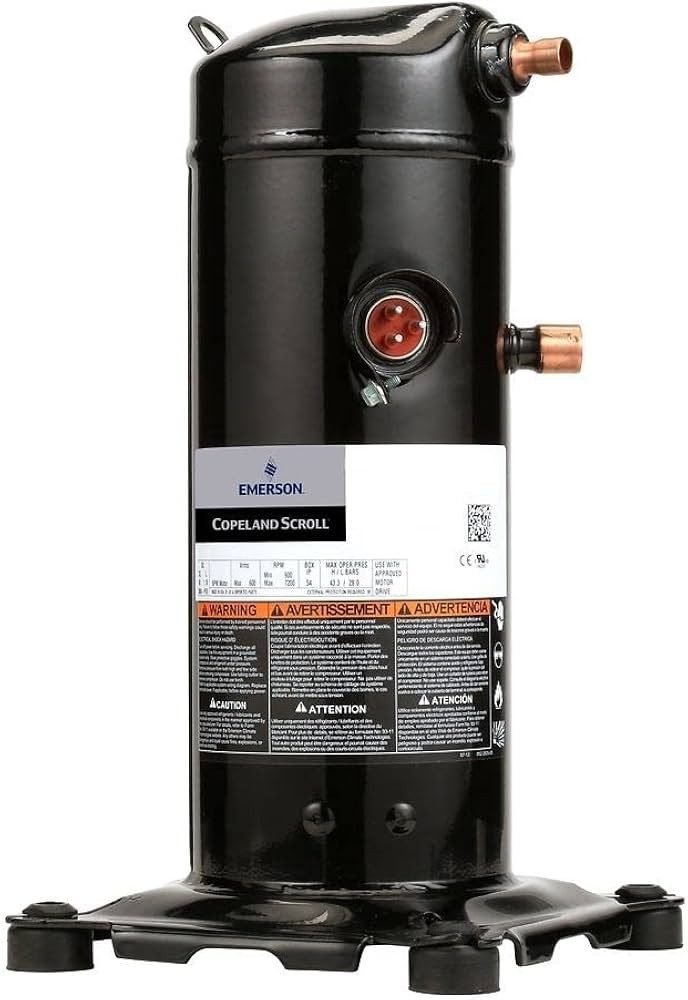
The compressor is the single most expensive component in an air conditioning system, and the one that does the most work — it's the pump that circulates refrigerant and makes cooling possible at all. When it starts to fail, the warning signs are often subtle at first. Catching them early can mean a simple capacitor or part replacement instead of a full compressor swap in the middle of summer.
1. Warm Air From the Vents
If the fan is running but the air coming out isn't cold — or isn't as cold as it used to be — the compressor may not be building enough pressure to properly cycle refrigerant. This is often one of the earliest signs, and it's easy to dismiss as "just needs a service."
2. Strange Noises on Startup
A healthy compressor hums quietly. Loud clicking, rattling, grinding or a harsh buzzing sound — especially right when the unit starts up — usually points to worn internal components or electrical issues like a failing start capacitor or contactor.
3. The Outdoor Unit Won't Turn On, or Trips the Breaker
A compressor drawing too much current will often trip the circuit breaker repeatedly. If it's tripping more than once, don't keep resetting it — that's usually a sign of a hard-starting or short-circuiting compressor, and continuing to run it can cause further damage.
4. Hot Air Blowing From the Outdoor Unit
Some heat from the outdoor unit is normal — that's where heat is released. But unusually hot air, combined with weak cooling indoors, often means the compressor is overheating, which can shorten its life dramatically if left unaddressed.
5. A Sudden Jump in Electricity Bills
A struggling compressor has to work harder — and run longer — to deliver the same amount of cooling. If your electricity bill climbs noticeably without a change in how you're using the AC, it's worth having the compressor and refrigerant level checked.
What to Do If You Spot These Signs
None of these symptoms always mean the compressor itself has failed — a weak capacitor, low refrigerant, or a dirty condenser coil can cause similar symptoms and are far cheaper to fix. But any of them is a sign the system needs attention soon, before a minor issue turns into a full breakdown during Bahrain's peak summer heat.