A refrigerator that has stopped cooling properly is usually down to a short list of causes. Before you blame the compressor, which is the most expensive part, work through the simple checks and then the three parts that most often explain the fault: the thermostat, the defrost timer and the compressor with its starting parts. Always unplug the refrigerator before you touch any electrical part.
Safety first. Do not open or cut into the sealed refrigerant system. Many modern refrigerators use R600a (isobutane), which is flammable, so any work on the sealed system must be done by a qualified technician.
Start With the Basics
- Settings and doors: check the temperature setting has not been moved, the doors close fully and the door seals are not torn or dirty.
- Airflow: keep the vents inside clear of food, and leave a gap behind and above the refrigerator so the heat can escape.
- Condenser coils: dust and lint on the coils, usually at the back or underneath, make the compressor run longer and cool less. Vacuum them carefully with the power off.
Is the Compressor Running?
Listen and feel near the compressor at the back. The result points you towards the next step:
- Silent and cold to the touch: the compressor is not being asked to start. Look at the thermostat, the defrost timer, the control board and the power supply.
- Hums, then clicks off after a few seconds, over and over: often the start relay or overload protector, though a seized compressor can do the same.
- Runs all the time but cooling is poor: check the coils, the door seals and the defrost system first. If those are fine, the compressor or the sealed system may be at fault.
Starting parts and a failed compressor produce very similar symptoms, so have the relay and overload tested before you replace a compressor.
The Thermostat
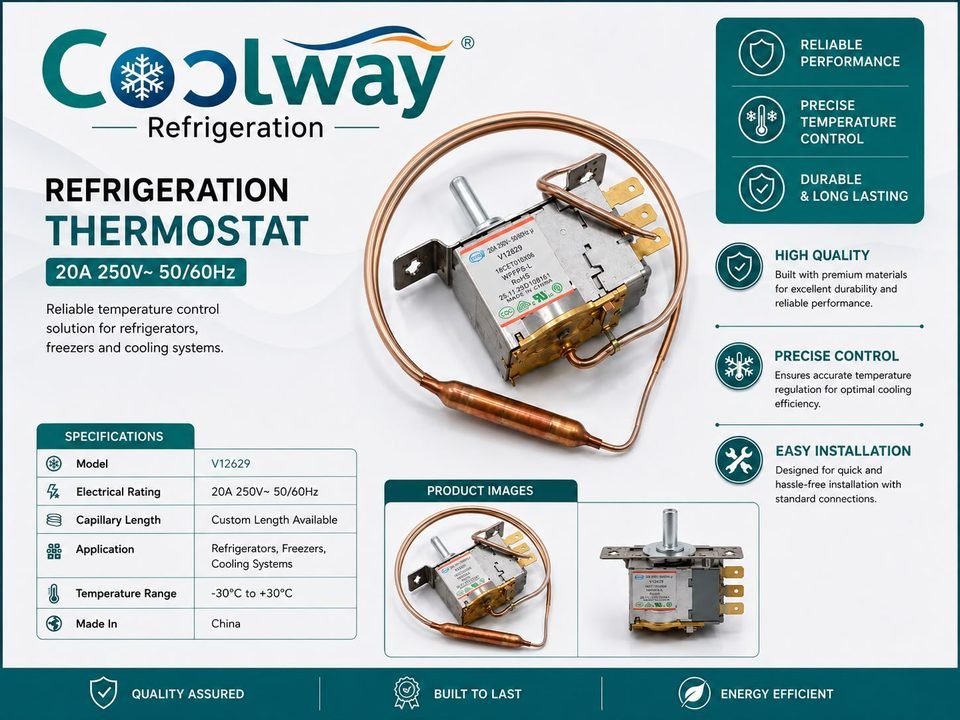
The thermostat switches the compressor on and off to hold the set temperature. If it fails open, the compressor never starts and the whole refrigerator warms up. If it sticks closed, the compressor runs without stopping and the cabinet can freeze or frost up. Turn the setting through its range: a compressor that never starts at any setting points to the thermostat, the defrost timer, the starting parts or the board. We list thermostats such as the Refrigeration Thermostat (V12629).
The Defrost Timer
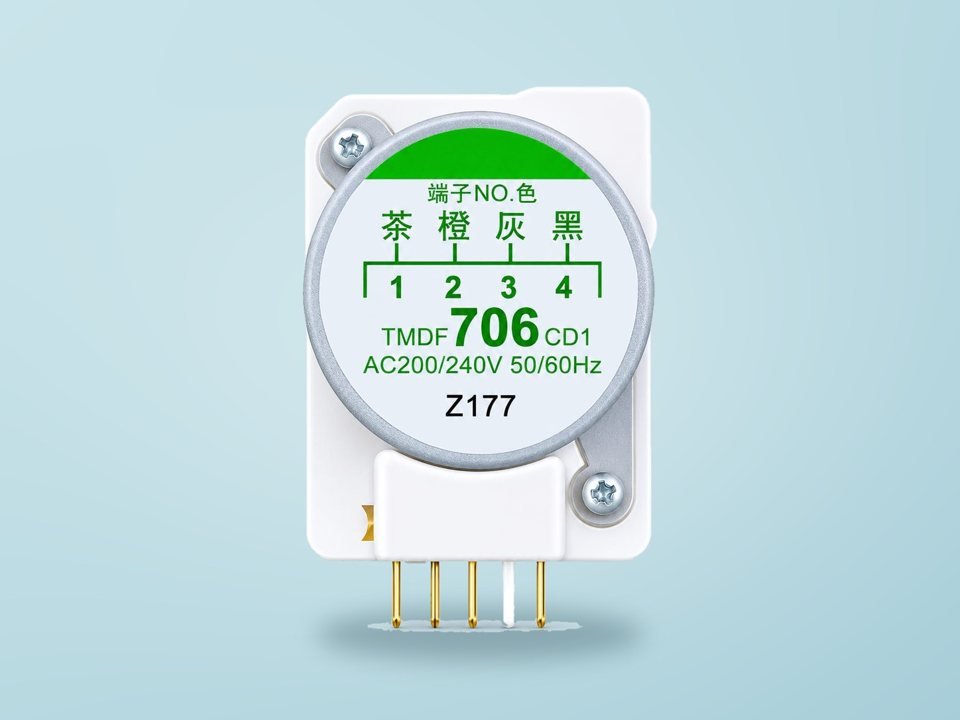
In a frost-free refrigerator, the defrost timer switches between cooling and defrosting so frost does not build up on the evaporator. If the timer stops working, one of two things happens. If it stays in defrost, the compressor stays off and the cabinet warms up. If it never reaches the defrost cycle, the evaporator slowly ices up, airflow is blocked and the fridge section warms while the freezer may still feel cold.
A useful clue: switch the refrigerator off, empty it and leave the doors open for a day so the ice melts. If it then cools well for a while and gradually fails again, the defrost system is the likely culprit. That means the timer, and sometimes the defrost heater or defrost thermostat. Browse our refrigerator defrost timers, for example the TMDF706CD1, and read how to replace a refrigerator defrost timer.
The Compressor
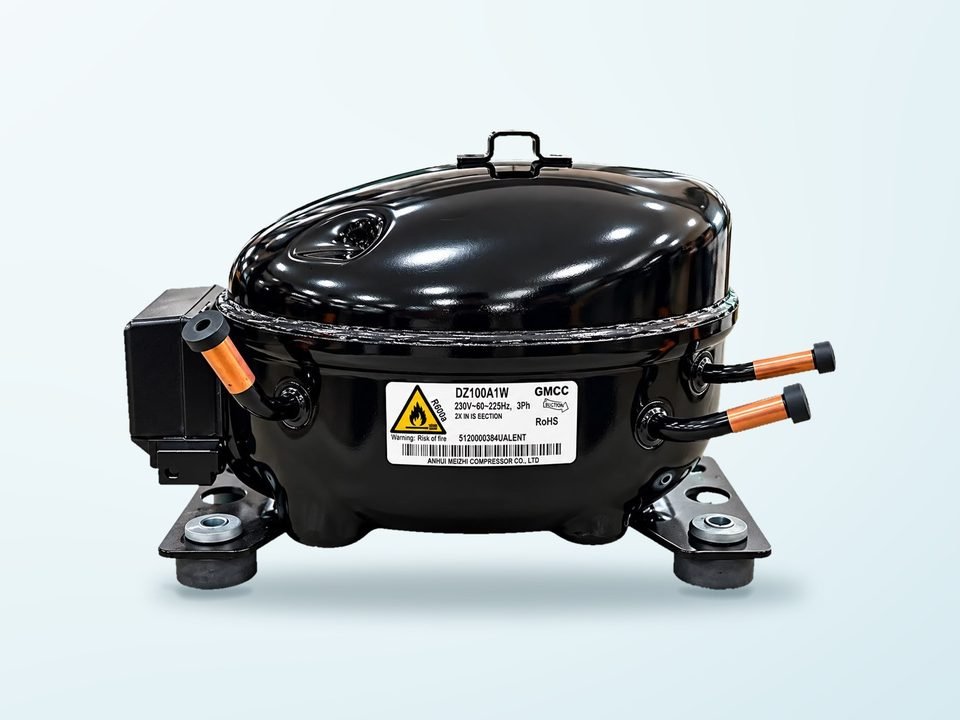
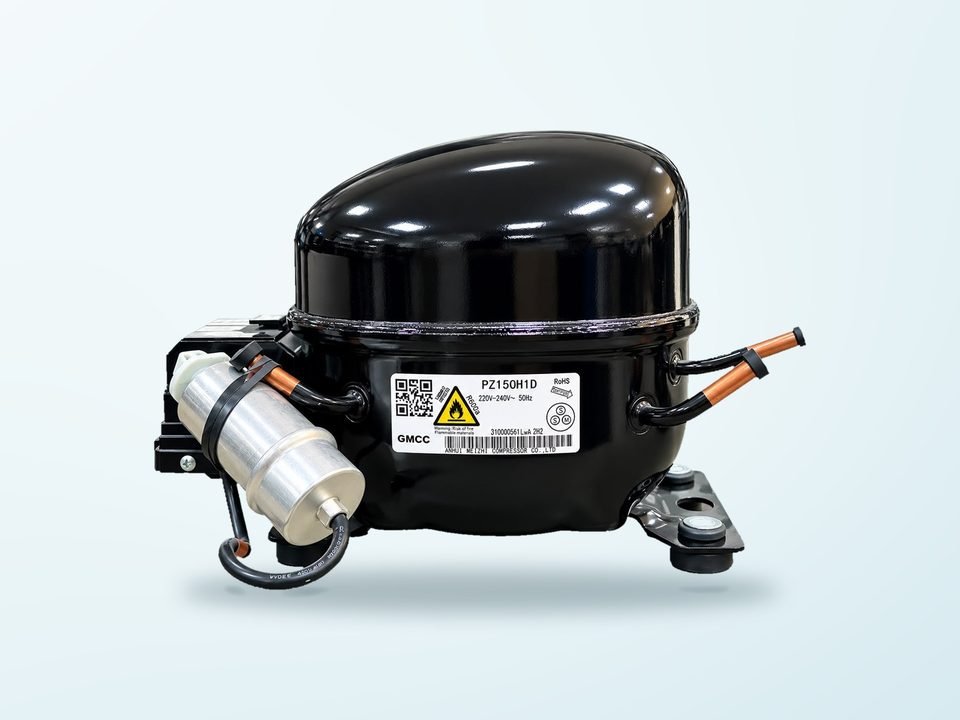
If the thermostat, defrost system and starting parts all test fine, the compressor itself may have failed. Signs include a compressor that runs hot and never produces proper cooling, loud knocking or buzzing, and a breaker that trips when it tries to start. A compressor replacement also involves the refrigerant circuit, so it should be done by a qualified technician, who can help confirm the diagnosis first. We list refrigerator compressors, including the GMCC R600a Refrigeration Compressor (PZ150H1D).
Quick Guide
| What you notice | Check first |
|---|---|
| Compressor silent, whole fridge warm | Thermostat, defrost timer, control board, power supply |
| Compressor hums and clicks off repeatedly | Start relay and overload protector, then the compressor |
| Freezer iced up, fridge section warm | Defrost timer, defrost heater, defrost thermostat |
| Runs constantly, cabinet freezing | Thermostat stuck on |
| Runs constantly, poor cooling, hot compressor | Coils, door seals, then the compressor or sealed system |
Buying the Right Part
Replacement parts must match the original. Note the model number on the refrigerator label and bring the old part, or send us a clear photo of its label. For a compressor, check the refrigerant, voltage and power rating; for a timer, the code, terminals and cycle times; for a thermostat, the model and connections.